
Nature & Animals
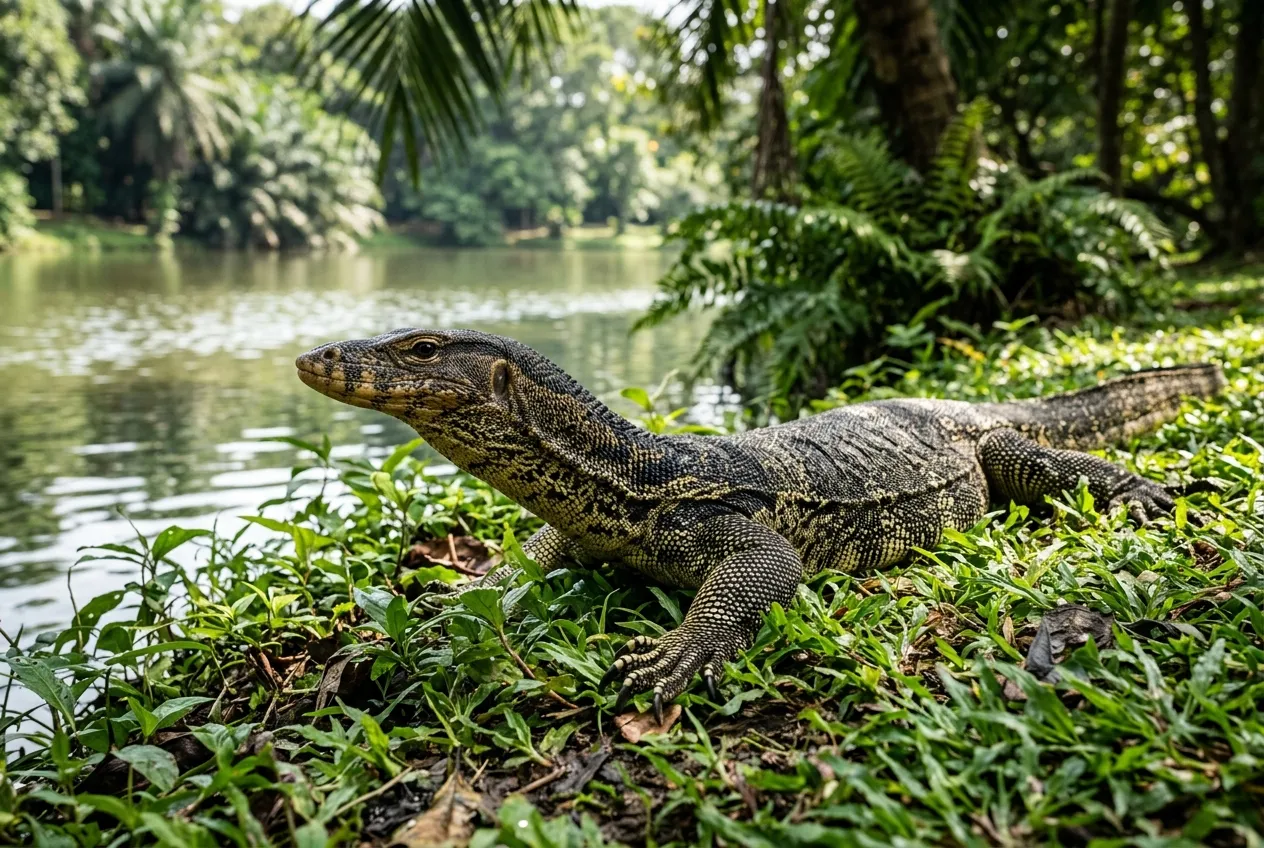 Varanus salvator
Resident monitor lizards
Lumpini Park has a large population of free-roaming Asian water monitor lizards.
These prehistoric-looking reptiles are the world's second-largest lizard species. You will often see them swimming in the lakes, basking on the lawns, or climbing trees. They are generally calm if left alone and play a part in the park's ecosystem by scavenging carcasses and eating rats.
The feline residents
You’ll see many friendly cats along the walking paths. Most are strays, many of them abandoned pets. Admire them from a distance rather than picking them up.
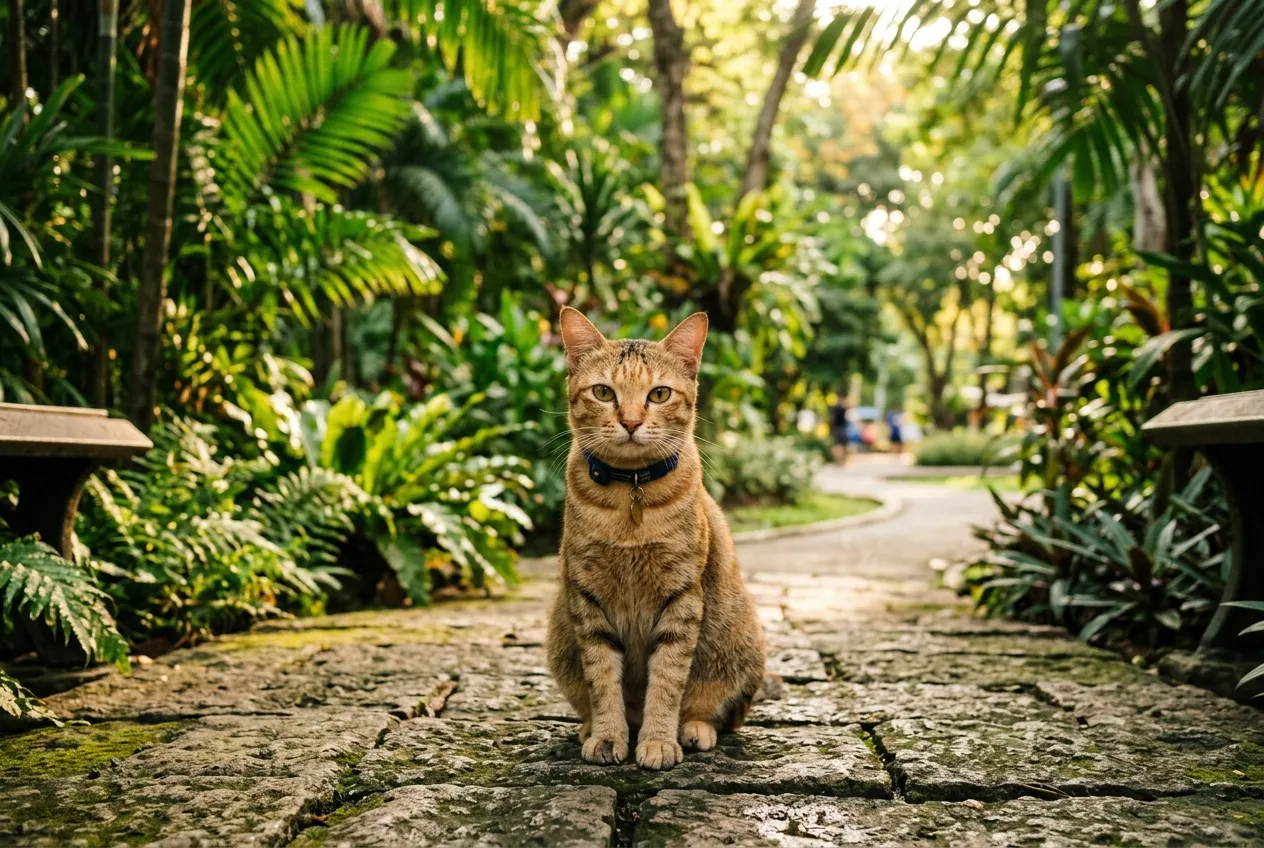 Felis catus
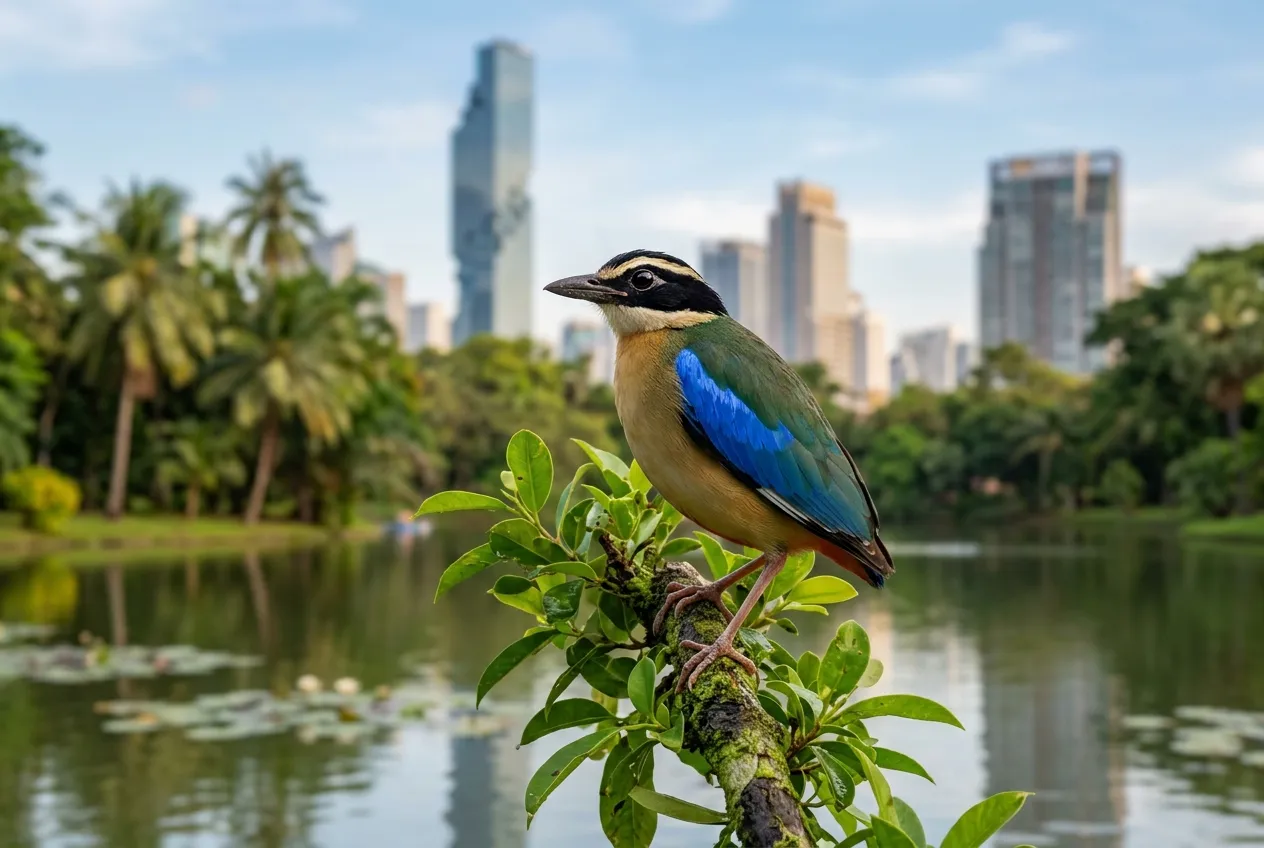 Aves
Avian sanctuary
Bird watchers frequently visit the park. Species recorded here include egrets, herons and kingfishers, and coppersmith barbets can be seen all year. A checklist updated in 2021 lists 146 bird species recorded in the park.
Botanical canopy
Large old trees shade the lawns, flower beds and ponds, and the park has a palm garden.
 Plantae
FAQ: Nature & Animals
Essential safety tips and information about monitor lizards, birdwatching, and resident animals.
What types of trees and gardens can be found in Lumpini Park?
Large old trees shade the park's lawns, flower beds and ponds, and the park has a palm garden.
Can I feed the fish, turtles, or birds in the lakes?
No. The BMA puts up no-feeding signs in its parks and asks visitors not to feed the monitor lizards, pigeons or any other animals. Wild animals find their own food, and their natural eating habits keep the ecosystem healthy.
What is the best time for birdwatching in Lumpini Park?
Early morning is a good time for a birdwatching walk. The migration periods, September to October and April to May, are likely to turn up the most interesting species.
Are the cats in Lumpini Park stray or looked after?
Most are strays, many of them abandoned pets. In February 2026 the BMA screened the park's cats after some were found with a fungal skin infection that can spread to people, and it is sterilising cats to control their numbers. Enjoy them from a distance: don't pick them up or touch cats with skin wounds, and see a doctor if you are scratched and the wound does not heal. Abandoning pets in the park is illegal.
Are there Komodo dragons in Lumpini Park, and are the lizards dangerous?
No, there are no Komodo dragons in Lumpini Park. The large reptiles swimming in the lakes and walking on the grass are Asian Water Monitor Lizards (Varanus salvator). They are shy and do not attack unless provoked or cornered, and the main concern after a bite is a bacterial infection. Keep a safe distance and do not feed them.